science
During a close pass over comet 67P, Rosetta’s star trackers registered hundreds of sunlit dust grains as “false stars,” disorienting a spacecraft more than 400 million kilometres from Earth and forcing it into safe mode.
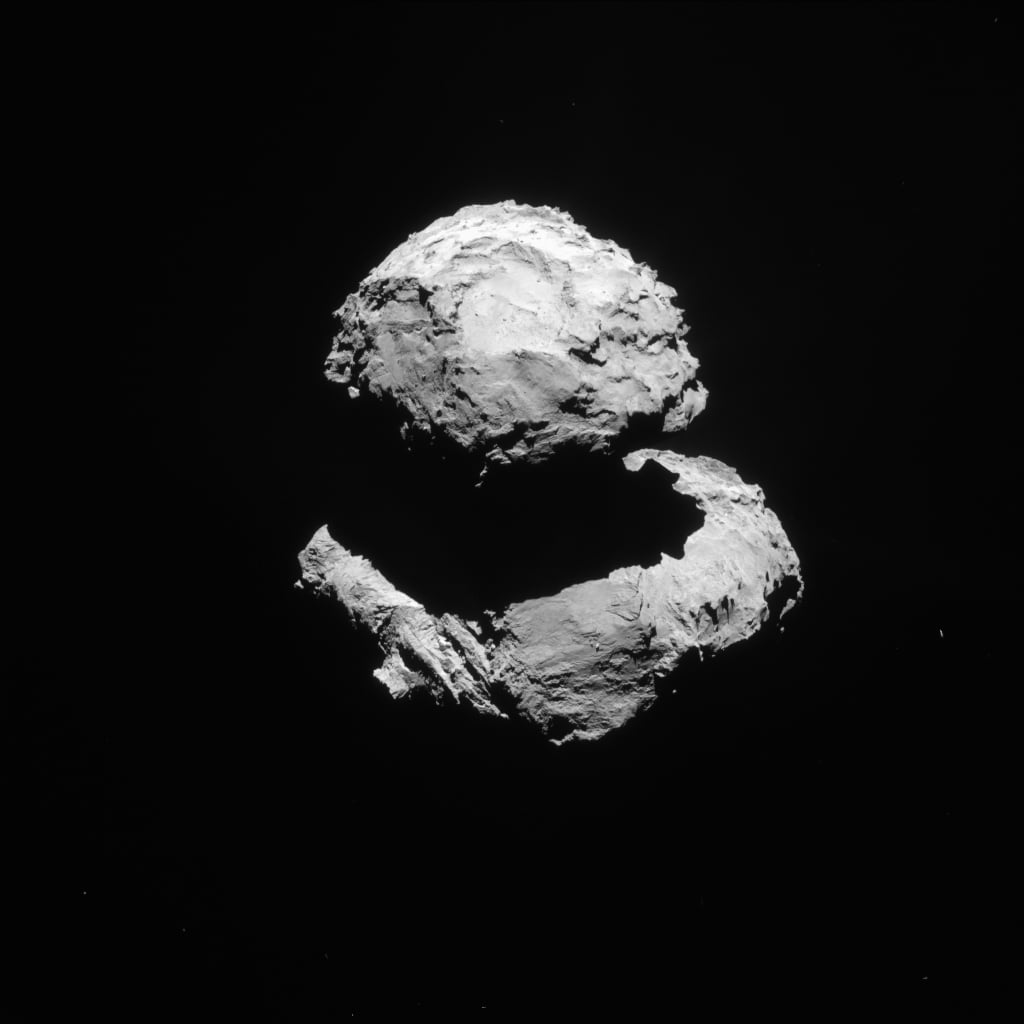
Dust from comet 67P filled Rosetta's star-tracker field with false stars during a March 2015 flyby, degrading attitude control and changing months of mission planning. The post During a close pass over comet 67P, Rosetta’s star trackers registered hundreds of sunlit dust grains as “false stars,” disorienting a spacecraft more than 400 million kilometres from Earth and forcing it into safe mode. appeared first on Space Daily .
ONLY AVAILABLE IN PAID PLANS
Read Full ArticleShare this story
Up next
Related Stories
Clearing the Path: Mars Launches Pet Adoption Resource Hub, as New Research Reveals What Holds Adopters Back | AAP
Australian Associated Press

Clearing the Path: Mars Launches Pet Adoption Resource Hub, as New Research Reveals What Holds Adopters Back
Australian Business Announcements
Flen Health Chooses AGC Biologics to Manufacture Recombinant Enzymes for Next-Generation Wound Treatment | AAP
Australian Associated Press

Is Zelira Therapeutics Ltd (ASX:ZLD) Gaining Attention as Cannabis Research and Product Development Shape the Session?
Kalkine Media

Astronomers produce the first complete picture of (gas) planet formation in action
The National Tribune