INFO60
SpotlightTopics60sNEWQuizLogin
IndiaAI & TechBusinessTechnologySportsEntertainmentHealthScienceWorld
INFO60

Know more. Read less. What matters, fast.

Company

  • About
  • Contact
  • Editorial Policy
  • Corrections
  • Our desks
  • Publishers

Legal

  • Privacy Policy
  • Terms of Service
  • Disclaimer

Account

  • Delete Account
  • Spotlight
  • Quick Cards
  • Topics
  • Web Stories
  • Hindi News

Free. One email a day. Unsubscribe anytime.

Editions

  • India
  • United States
  • United Kingdom
  • Canada
  • Australia
  • UAE & Gulf
  • Singapore
  • Hindi
  • All countries
© 2026 Info60. All rights reserved.
Home›science›In the shadow of WWII, Rockefeller poured millions into a Maine experiment that spent years asking a disturbing question: Could intelligence be bred?

science

In the shadow of WWII, Rockefeller poured millions into a Maine experiment that spent years asking a disturbing question: Could intelligence be bred?

By Info60 India Desk•Summary of reporting by The Economic Times•14h ago•0 views•
In the shadow of WWII, Rockefeller poured millions into a Maine experiment that spent years asking a disturbing question: Could intelligence be bred?
In post-war America, the Rockefeller Foundation funded an ambitious experiment to study canine intelligence through selective breeding. More than 500 puppies from various breeds were observed to better understand their hereditary traits. Researchers found no evidence of a universally superior dog, as abilities varied significantly among individuals. Isolation experiments showed a critical socialisation period for puppies, illustrating the importance of early experiences on behaviour.
ONLY AVAILABLE IN PAID PLANS
Read Full Article

Share this story

Report an error

Up next

Related Stories

India-born scientist wins 2026 Wolf Chemistry Prize

India-born scientist wins 2026 Wolf Chemistry Prize

The New Indian Express

NASA's New Space Telescope Sends Back Its First Images, and the Stars Look Like Blurry Green Rings

NASA's New Space Telescope Sends Back Its First Images, and the Stars Look Like Blurry Green Rings

The Daily Galaxy

New solar lid insert fights garbage odor for over a month, study finds - Interesting Engineering

Google News
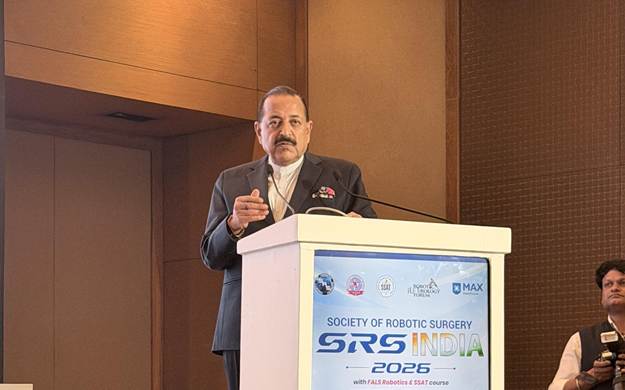
Robotics, AI to drive next phase of precision healthcare in India: Dr Jitendra Singh

Robotics, AI to drive next phase of precision healthcare in India: Dr Jitendra Singh

Bilkul Online

Astronomers Detect an Atmosphere on the Coolest ‘Lava World’ Yet - ZME Science

Google News

Comments (0)

Please login to comment

Login
💬

No comments yet. Be the first to comment!