INFO60
SpotlightTopics60sNEWQuizLogin
IndiaAI & TechBusinessTechnologySportsEntertainmentHealthScienceWorld
INFO60

Know more. Read less. What matters, fast.

Company

  • About
  • Contact
  • Editorial Policy
  • Corrections
  • Our desks
  • Publishers

Legal

  • Privacy Policy
  • Terms of Service
  • Disclaimer

Account

  • Delete Account
  • Spotlight
  • Quick Cards
  • Topics
  • Web Stories
  • Hindi News

Free. One email a day. Unsubscribe anytime.

Editions

  • India
  • United States
  • United Kingdom
  • Canada
  • Australia
  • UAE & Gulf
  • Singapore
  • Hindi
  • All countries
© 2026 Info60. All rights reserved.
Home›science›The Asteroid That Killed the Dinosaurs Was Stranger Than We Thought
science

The Asteroid That Killed the Dinosaurs Was Stranger Than We Thought
By Info60 US Desk•Summary of reporting by Scitechdaily•Sep 20, 2026•0 views•
The Asteroid That Killed the Dinosaurs Was Stranger Than We Thought
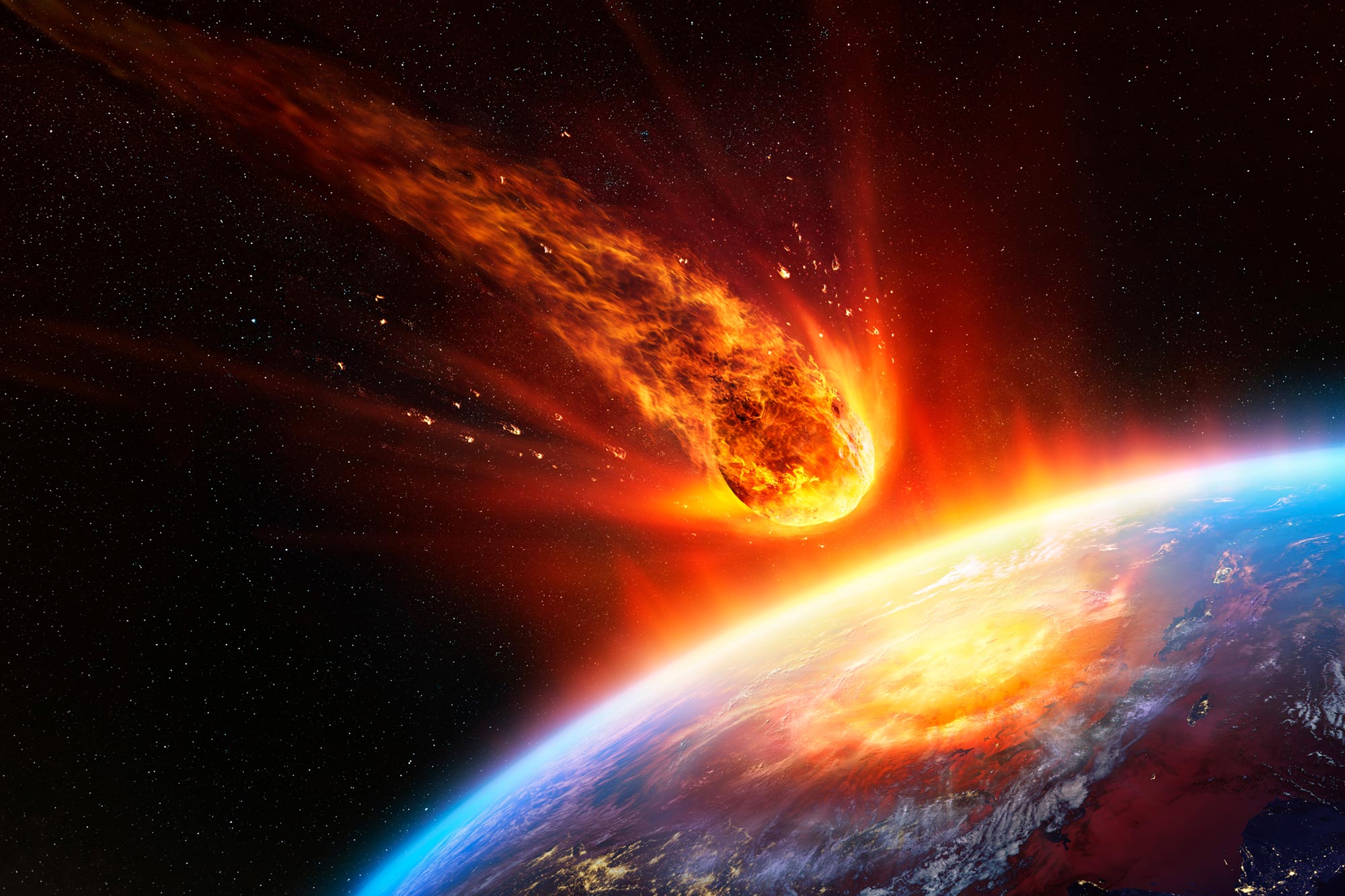
Scientists are narrowing down the type of space rock that caused the mass extinction at the end of the Cretaceous period, and new research suggests it was no ordinary rock. The Chicxulub impactor, the space rock that struck what is now Mexico 66 million years ago, left behind an enormous crater but almost nothing of [...]
ONLY AVAILABLE IN PAID PLANS
Read Full Article

Share this story

Report an error

Up next

Related Stories

Mysterious oarfish's fins inspire large underwater robot design

Mysterious oarfish's fins inspire large underwater robot design

Phys.org

How sea squirts perceive underwater noise

How sea squirts perceive underwater noise

Phys.org

International study identifies key childhood experiences that predict happiness and well-being in adulthood

International study identifies key childhood experiences that predict happiness and well-being in adulthood

Phys.org

Women leave psychology research more often than men, especially early in their careers

Women leave psychology research more often than men, especially early in their careers

Phys.org

Antarctica's ice loss is locked in, and extra snowfall won't save it—low‑lying coastal areas elsewhere to suffer

Antarctica's ice loss is locked in, and extra snowfall won't save it—low‑lying coastal areas elsewhere to suffer

Phys.org

Comments (0)

Please login to comment

Login
💬

No comments yet. Be the first to comment!