science
The Moon’s freshest craters are recognisable by bright rays of newly excavated rock and dust, which space weathering gradually darkens—and the new 222-metre McGetchin crater is so fresh that its ejecta still gleams, having formed sometime between 11 April and 22 May 2024.
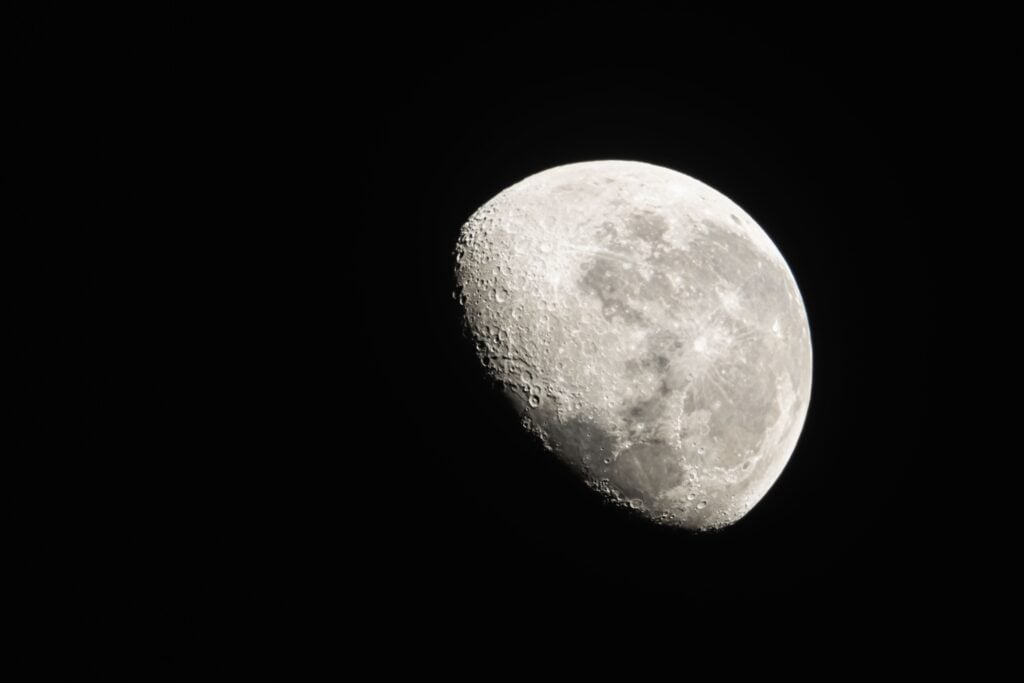
LRO images bracket McGetchin crater's formation to seven weeks in 2024, preserving bright ejecta, complex deposition and a seven-kilometre thermal disturbance. The post The Moon’s freshest craters are recognisable by bright rays of newly excavated rock and dust, which space weathering gradually darkens—and the new 222-metre McGetchin crater is so fresh that its ejecta still gleams, having formed sometime between 11 April and 22 May 2024. appeared first on Space Daily .
ONLY AVAILABLE IN PAID PLANS
Read Full ArticleShare this story
Up next
Related Stories

Mysterious oarfish's fins inspire large underwater robot design
Phys.org

How sea squirts perceive underwater noise
Phys.org

International study identifies key childhood experiences that predict happiness and well-being in adulthood
Phys.org

Women leave psychology research more often than men, especially early in their careers
Phys.org

Antarctica's ice loss is locked in, and extra snowfall won't save it—low‑lying coastal areas elsewhere to suffer
Phys.org