science
Two L-shaped detectors sit 3,002 kilometres apart in Louisiana and Washington, each built to measure a change smaller than one ten-thousandth of a proton’s width—and after an eight-year initial search and a major rebuild, they finally recorded two black holes merging
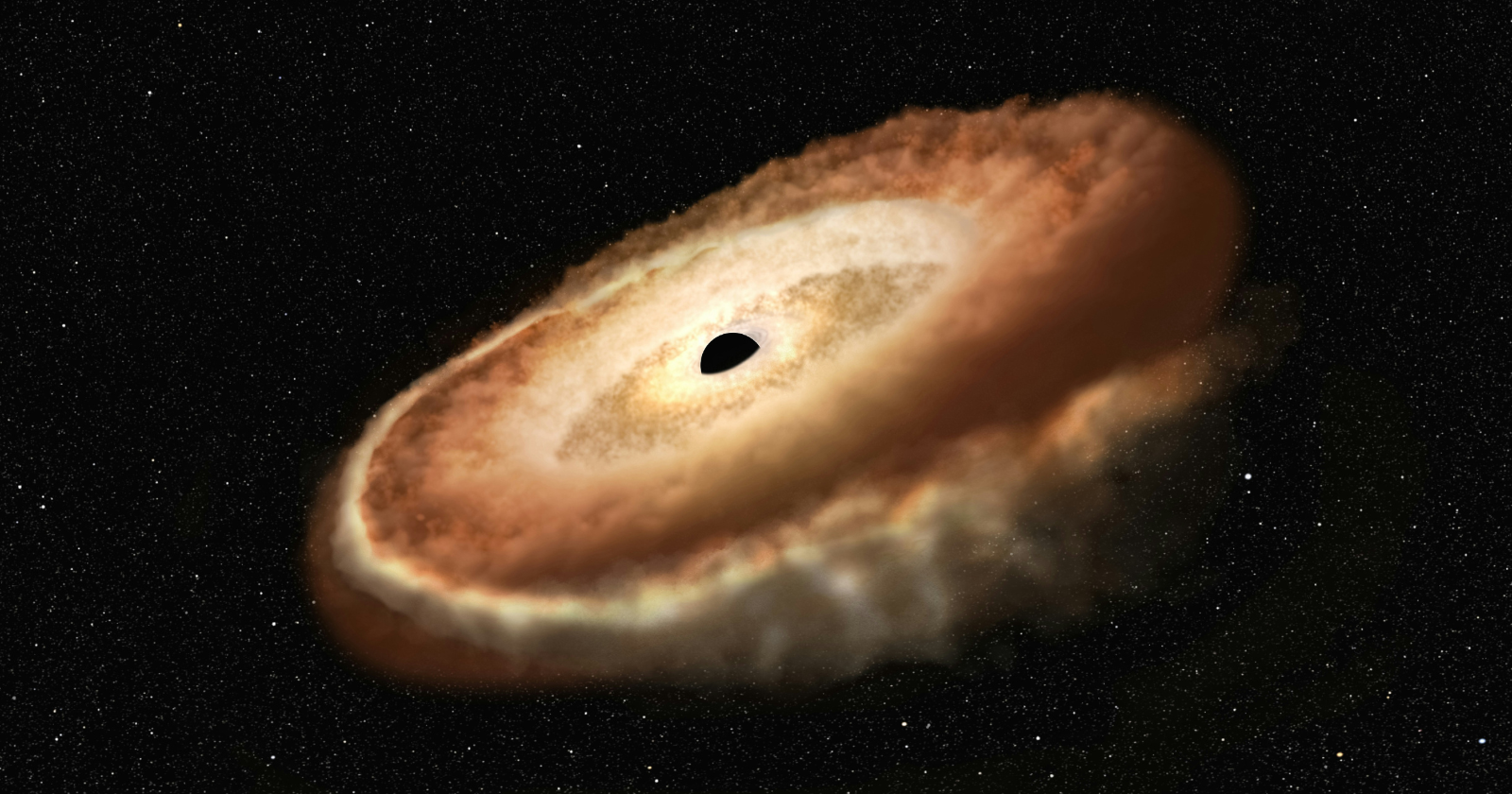
A century after Einstein predicted them, scientists finally caught the violent collision of two black holes by detecting ripples in spacetime itself—a measurement so exquisite it required rethinking how to listen to the universe. The post Two L-shaped detectors sit 3,002 kilometres apart in Louisiana and Washington, each built to measure a change smaller than one ten-thousandth of a proton’s width—and after an eight-year initial search and a major rebuild, they finally recorded two black holes m
ONLY AVAILABLE IN PAID PLANS
Read Full ArticleShare this story
Up next
Related Stories

Abolis launches MINE to turn microbial data into industrial action
Indianpharmapost
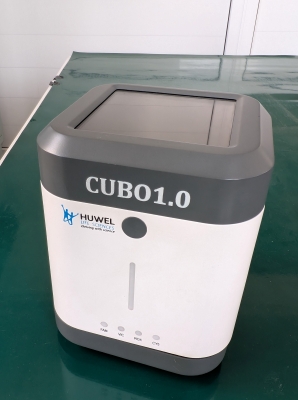
ASMS & Huwel Lifesciences step up push to take Cubo RT-PCR platform across India
Indianpharmapost
Steering the biotech bus India's way
The New Indian Express

A Cosmic “Shrimp” With A Hidden Secret: NASA Reveals The Strange Motion Behind This Nebula
The Daily Galaxy

EVolve Conclave: Leaders discuss scaling electric mobility in India
Asianet Newsable